
Intentional by Design
Why the Future of Living Cannot Happen by Accident?
For generations, communities were often designed around one primary goal: maximizing space and expansion. Bigger homes, larger lots, wider distances, and endless growth became the standard model of success. But as lifestyles, economies, and priorities have changed, many people are beginning to question whether those environments were truly designed for the people living within them.
Because a home is not just a structure. It is an environment that shapes everyday life.
The way communities are designed affects how people connect, how they move, how they spend, how they rest, and ultimately how they experience life itself. Yet many modern housing developments still prioritize scale over intentionality, creating environments that can unintentionally increase stress, isolation, financial pressure, and disconnection.

That reality is showing up in the numbers.
The median age of first-time homebuyers has now climbed to approximately 41 years old, the highest in history. Rising housing costs, increasing debt burdens, and the widening gap between income and home prices have made ownership feel further away for millions of people. In many markets, the traditional path to homeownership has become increasingly difficult to reach.
At Capella Cottages, the response to that challenge begins with intentionality.
Capella was not designed simply to build homes. It was designed to create a more thoughtful pathway into living well. Every decision, from pricing to layout to shared spaces, reflects a deliberate effort to reduce barriers while improving quality of life.
That intentionality begins with attainability.
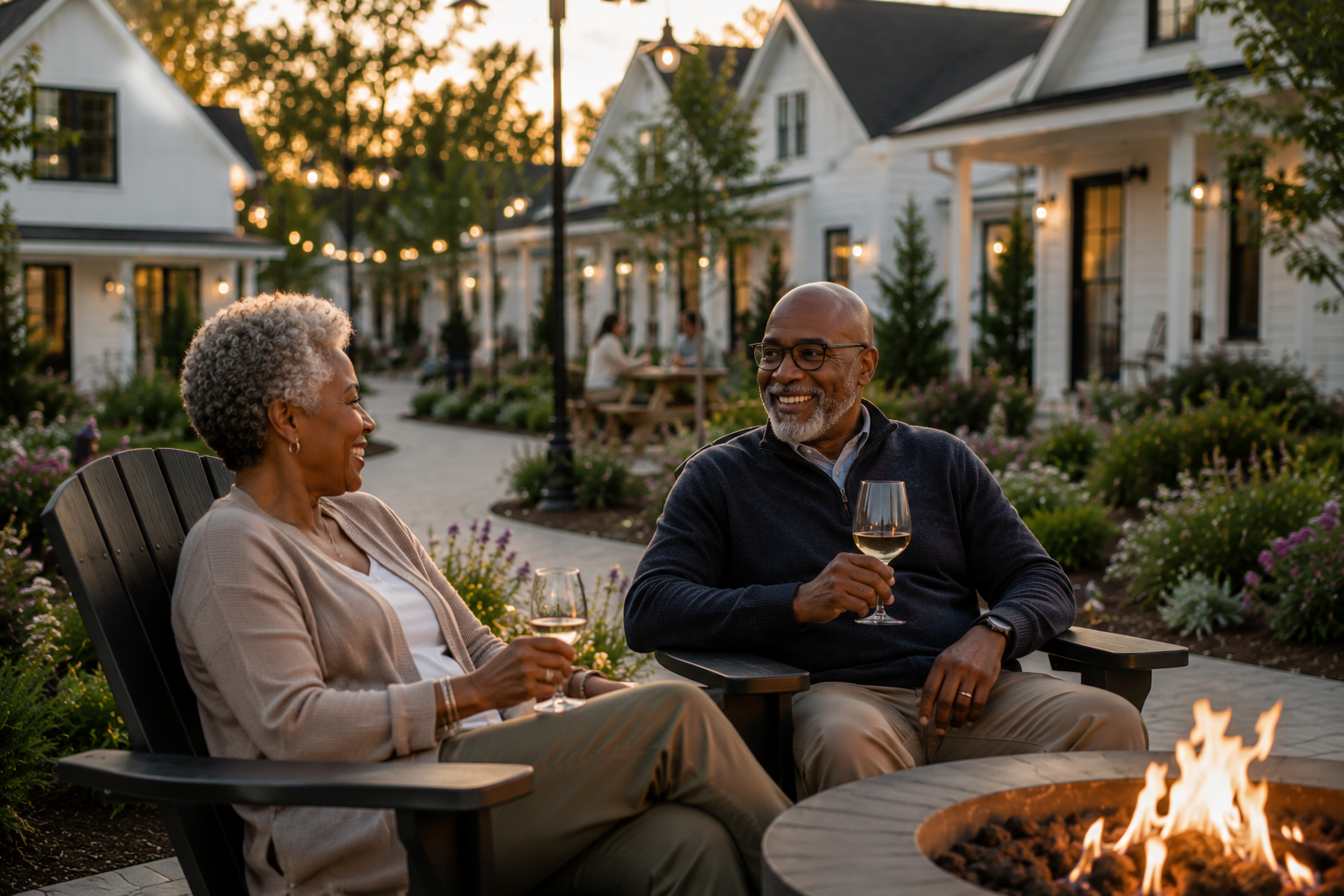
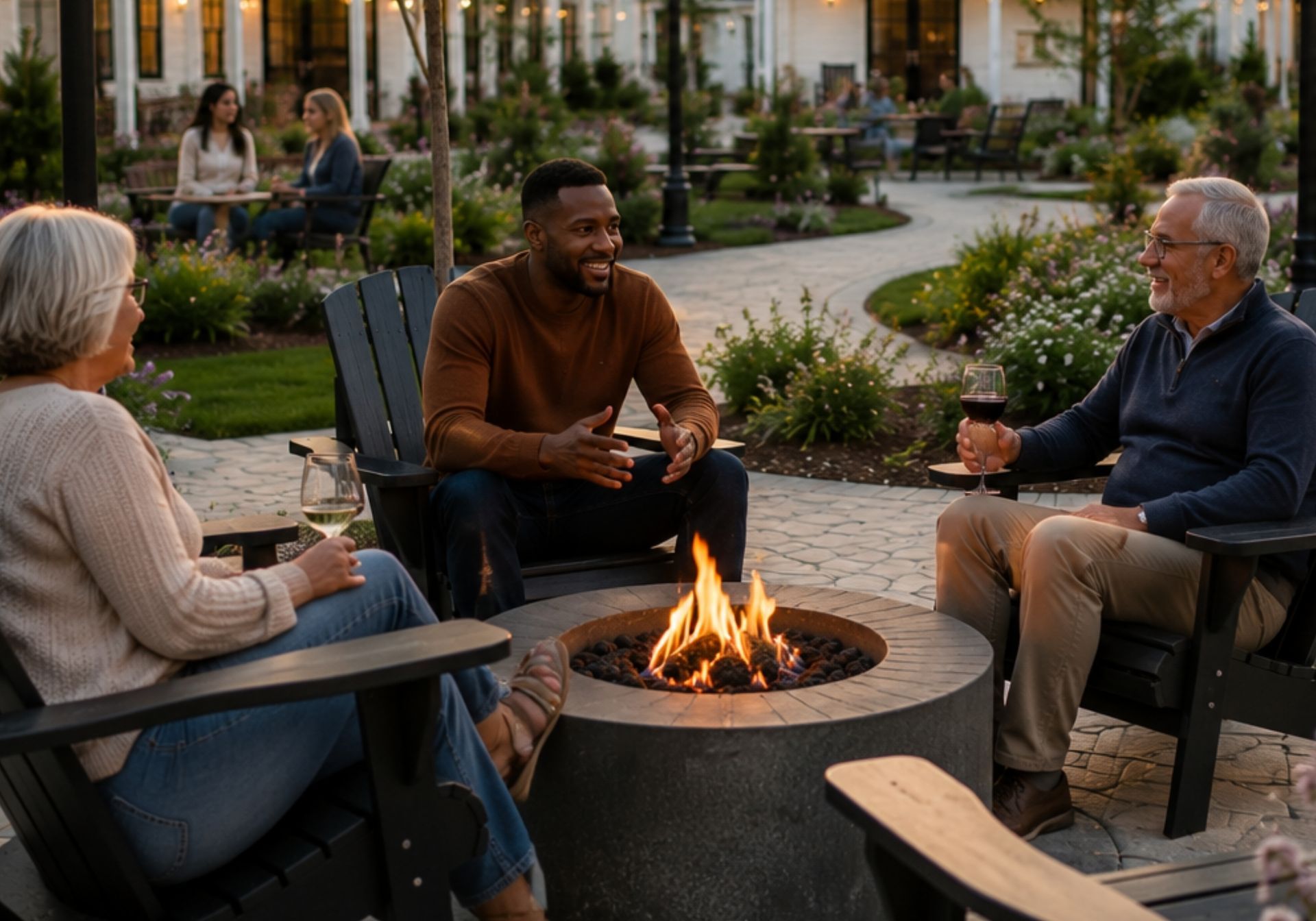
In a housing market where many new homes in the Dallas-Fort Worth area approach or exceed $400,000, Capella offers smart, intentionally designed homes starting at significantly more accessible price points. This creates opportunities for first-time buyers, downsizers, and individuals seeking a more sustainable lifestyle without sacrificing quality, technology, or experience.
But intentionality at Capella extends beyond affordability.
The community itself is built around the Built-Blue BLUPNT philosophy, which recognizes that environments influence behavior and well-being. Walkable spaces, shared courtyards, gathering areas, smart-home integration, and opportunities for connection are not random amenities added at the end of planning. They are foundational elements woven into the design from the beginning.
Even the scale of the homes reflects intentional thinking.
Capella challenges the outdated assumption that larger automatically means better. Instead, the homes are designed to maximize functionality, comfort, efficiency, and ease of living. The result is a lifestyle that can lower maintenance demands, reduce unnecessary costs, and create more room for financial flexibility and peace of mind.
In many ways, intentional design is about removing friction from everyday life.
Less wasted space.
Less financial strain.
Less isolation.
Less complexity.
And in their place: more connection, more accessibility, more freedom, and more opportunity to thrive.
This is what separates Capella Cottages from conventional development models. It is not simply reacting to changing times. It is intentionally designing for them.
Because the future of housing should not just be newer. It should be smarter, healthier, more connected, and more human.