HOMEBuying 101:
Understanding Your Credit Score:
A Smart First Step Toward Homeownership
Buying a home is one of life's most exciting milestones. It is an opportunity to create a place of your own, establish roots, and begin building a future filled with possibilities.
But before choosing your favorite floor plan or imagining how you'll decorate your new living room, there's an important part of the homebuying journey worth understanding: your credit score.
For many first-time buyers, credit can seem confusing or even intimidating. The good news is that understanding how it works is easier than you might think, and learning about your credit today can help you make more informed decisions tomorrow.
What Is a Credit Score?
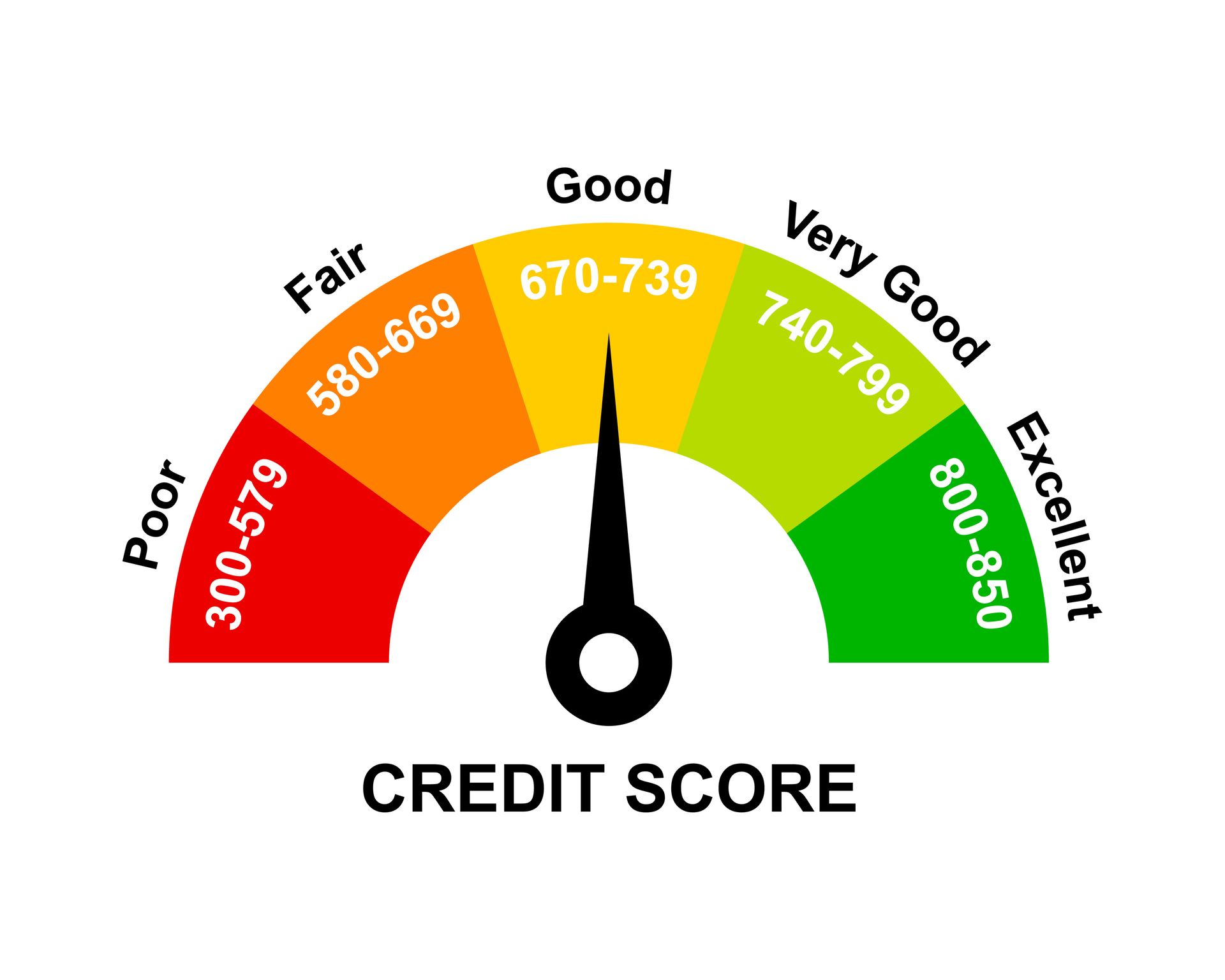
A credit score is a three-digit number that helps lenders evaluate how likely you are to repay borrowed money based on information in your credit history.
Most commonly used credit scoring models have a range of 300 to 850. Generally speaking, higher scores indicate lower credit risk, although different lenders and mortgage programs may use different scoring models and qualification standards.
Think of your credit score as one part of your financial story. It reflects how you've managed credit in the past, but it doesn't tell the whole story of who you are or what you may be able to achieve.
And importantly, your credit score can change over time.
Why Does Your Credit Score Matter When Buying a Home?
When you apply for a mortgage, lenders review several factors to determine whether you qualify for financing. Your credit history and credit score are among them.
Your score may influence:
Mortgage eligibility:
Different loan programs have different credit requirements.

Interest rates:
Depending on the loan program, a stronger credit profile may help you qualify for more favorable rates.
Loan options:
Your credit history can influence which financing programs are available to you.

Overall borrowing costs:
The interest rate and terms of your mortgage can affect how much you pay over the life of your loan.
Your credit score is important, but it isn't the only consideration. Lenders also evaluate factors such as income, existing debt, employment, assets, and the home you're purchasing.
That's why speaking with a qualified lender early in the process can be so valuable.
What Goes Into Your Credit Score?

While credit scoring formulas vary, five common factors help explain how many scores are calculated.
| Payment History | Amounts Owed | Length of Credit History | Credit Mix | New Credit |
|---|---|---|---|---|
| Do you pay your bills on time? Your record of making payments is generally one of the most influential factors in your credit score. Consistent, on-time payments help demonstrate responsible credit management. | How much of your available credit are you currently using? Carrying high balances on credit cards relative to their limits can negatively affect your score. | How long have you been using credit? A longer history of responsibly managed accounts can be beneficial, although you don't necessarily need decades of credit history to qualify for a mortgage. | Having experience managing different types of credit, such as credit cards and installment loans, may contribute to your score. However, you shouldn't open accounts you don't need simply to create a particular mix. | Applying for several new credit accounts in a short period may affect your score. Before applying for a mortgage, consider speaking with a lender about whether opening additional accounts makes sense. |
Five Ways to Begin Strengthening Your Credit
The journey toward homeownership doesn't have to begin with a mortgage application. It can begin with a few practical financial habits.
- Start by reviewing your credit reports. You can request free credit reports from the three major credit bureaus: Equifax, Experian, and TransUnion. Review them carefully for accuracy and dispute any errors you discover.
- Make on-time payments a priority. Payment reminders or automatic payments can help you avoid missed due dates.
- Pay attention to credit card balances. When possible, work toward reducing balances relative to your available credit limits.
- Be thoughtful about new credit. Avoid taking on unnecessary debt, especially when you're preparing to apply for a mortgage.
- Talk with a lender about your goals. A mortgage professional can help you understand which financing programs may fit your circumstances and what preparation could be helpful.
Remember, improvements don't always happen overnight. Building healthy credit habits is an ongoing process, and every informed decision can help you move forward.
What If Your Credit Score Isn't Perfect?
Here's something every prospective homebuyer should know: you don't necessarily need a perfect credit score to become a homeowner.
Different mortgage programs have different eligibility requirements. Some may offer options for borrowers whose credit histories are still developing, while others have more specific standards.
At Capella Cottages, we're committed to helping prospective buyers understand the homeownership process and explore the resources available to them.
Our preferred lending partners, Tolleson Private Bank and Texas Regional Bank, can discuss their available mortgage programs, qualification requirements, and potential financing options with interested buyers.
A conversation with a lender can help you better understand where you stand and what your next steps might look like.
Your Homeownership Journey Starts With Understanding
At Capella Cottages, we believe homeownership represents more than a place to live. It's an opportunity to create stability, build meaningful connections, and establish a foundation for the future.
Understanding your credit score is one way to begin preparing for that opportunity.
You don't have to know everything about buying a home today. You simply have to be willing to learn, ask questions, and take the next step.
Your future home may begin with something as simple as understanding your financial picture today.